PROPAGATION · SPACE WEATHER
Band conditions
Live solar and geomagnetic data from NOAA's Space Weather Prediction Center, plus a quick read on how the bands should be playing from Connecticut.
Loading live data…
SOLAR FLUX
—
SFI · 10.7 cm
K-INDEX
—
Planetary Kp
A-INDEX
—
Running, 24 h
X-RAY
—
GOES flare class
SOLAR WIND
—
km/s
BZ
—
nT · IMF north/south
RADIO BLACKOUTS
R—
Flare-driven HF fadeouts
SOLAR RADIATION
S—
Polar HF absorption
GEOMAGNETIC STORMS
G—
Aurora and HF disruption
HF bands from FN31
Estimate from solar flux and Kp
| BAND | DAY | NIGHT |
|---|
Kp over the last 7 days
3-hour planetary K-index
Quiet (0–3)
Unsettled (4)
Storm (5+)
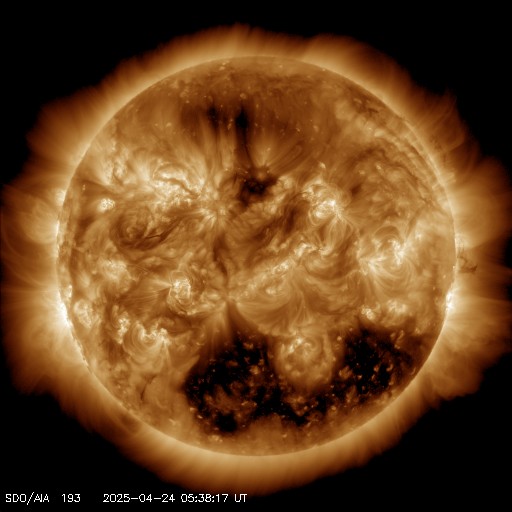
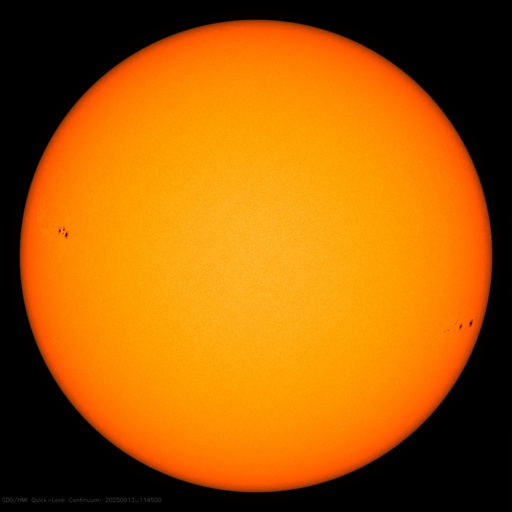
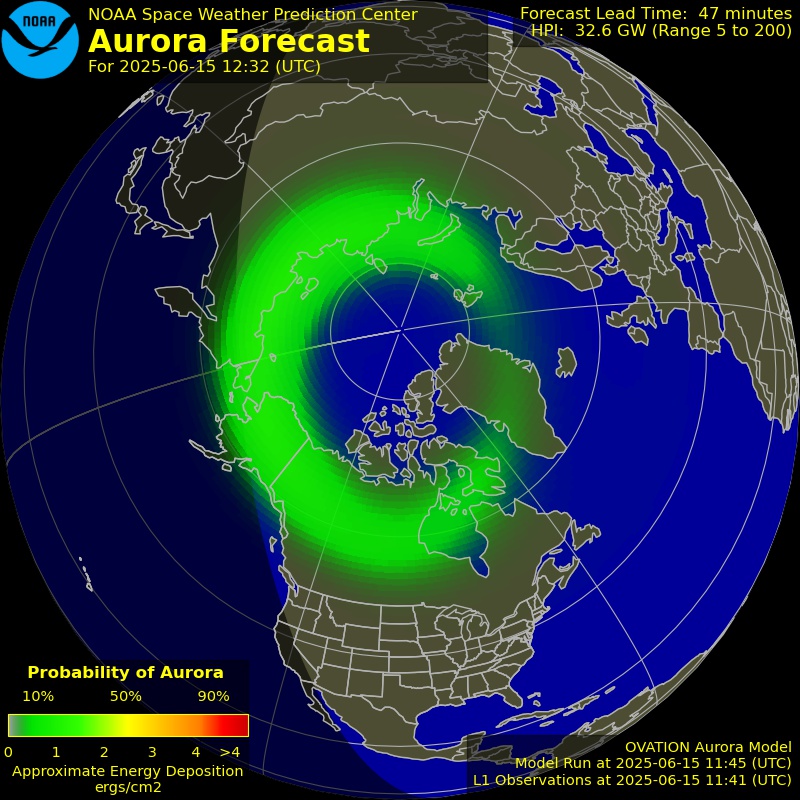
The sun right now
Live imagery
Second opinion
N0NBH solar-terrestrial data
Data from NOAA SWPC, imagery from NASA SDO, and the widget from N0NBH. The HF table is a rule-of-thumb estimate, not a forecast: higher solar flux opens the high bands, and a high Kp closes them. Refreshes every 10 minutes.